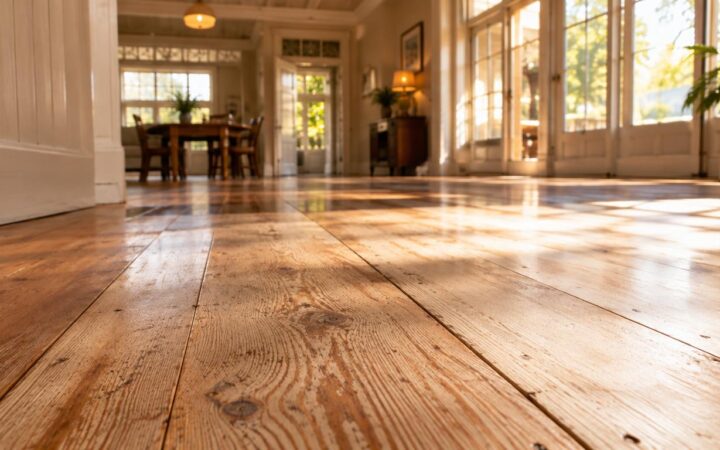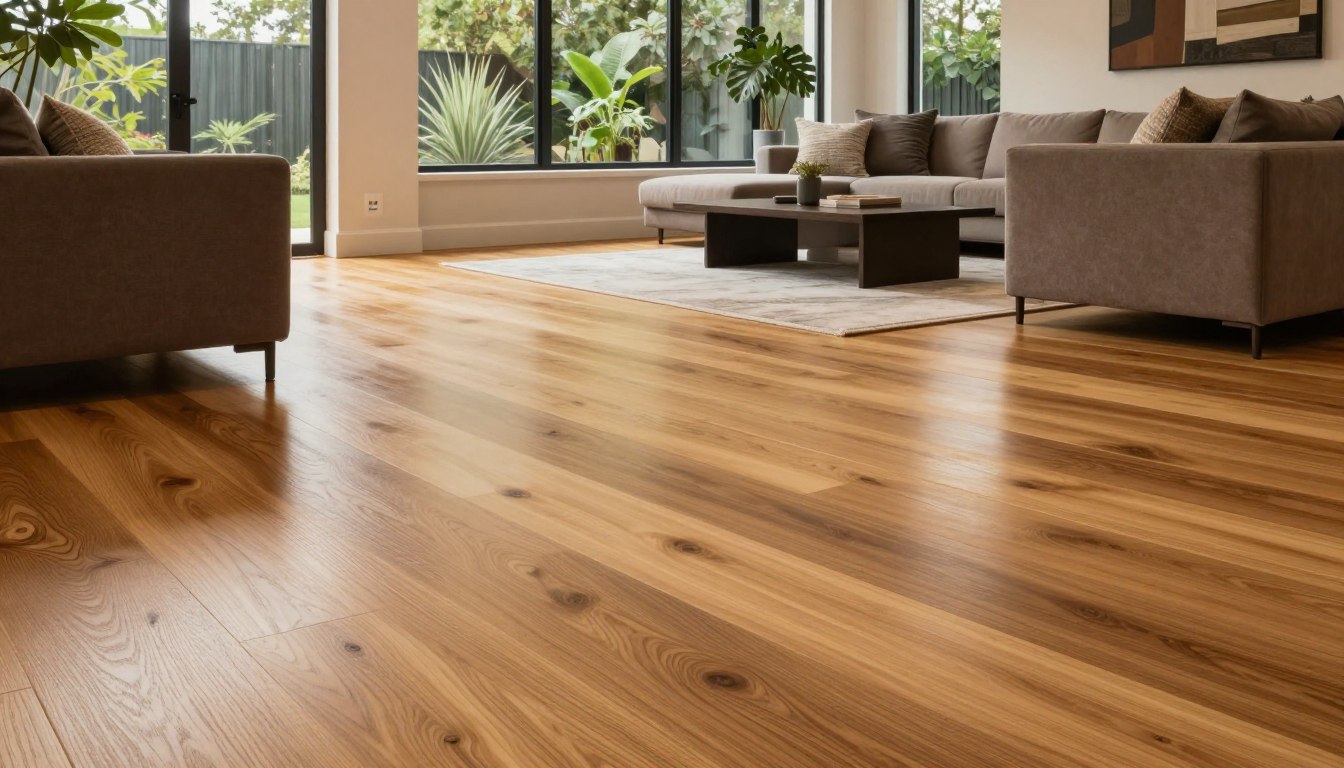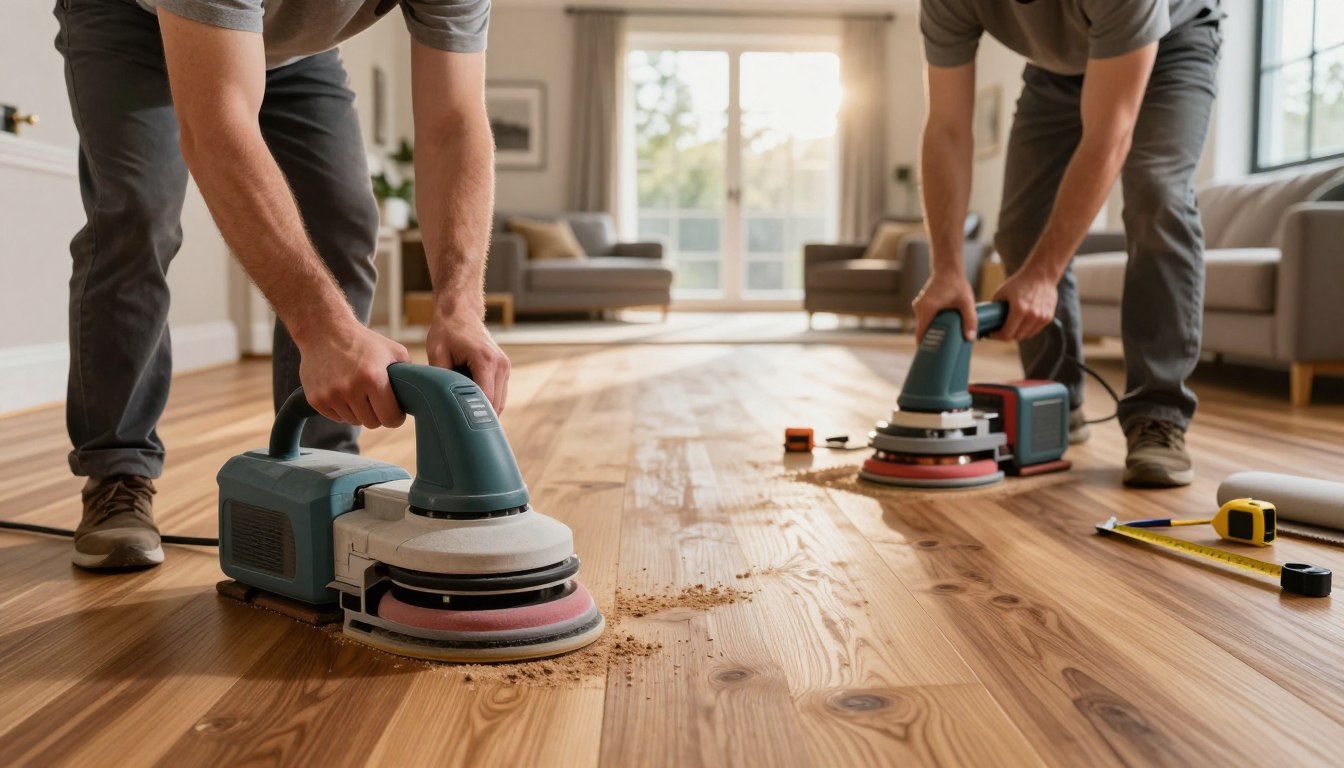
There’s something magical about finding old carpet to reveal the warm, golden glow of original timber boards. We all feel that excitement, thinking a quick weekend can turn our living space into a magazine-worthy home.
But, the reality of refinishing timber is much harder than a simple Saturday afternoon. It takes a lot of physical labour and technical skill for a flawless finish. When we compare professional floor sanding cost vs diy, we must look beyond the initial cost.
Choosing the wrong path can lead to uneven surfaces, permanent damage, or expensive repairs. These can cost much more than your original budget. We aim to guide you through these choices so you can enjoy your beautiful home without stress.
Key Takeaways
- Refinishing timber is a labour-intensive process that requires specific equipment and expertise.
- Underestimating the time commitment often leads to unfinished projects and added frustration.
- Mistakes during the sanding process can cause irreversible damage to your timber boards.
- Comparing the total investment helps you decide if hiring an expert offers better long-term value.
- Quality results depend on proper preparation and the right finishing products for your specific timber type.
The Reality of Professional Floor Sanding Cost vs DIY
When deciding on home improvements, many Australians face the professional floor sanding cost vs diy dilemma. Saving money by doing it yourself seems attractive. Yet, it’s more than just renting a machine and sanding your floors.
The diy floor sanding vs professional debate often gets skewed. People overlook the time, effort, and risk of mistakes with DIY. Professionals, with their years of experience, protect your floors for the long haul.
To make a smart choice, it’s crucial to understand the differences. Knowing these can help you keep your home’s beauty and value intact.
| Feature | DIY Sanding | Professional Service |
|---|---|---|
| Equipment Quality | Standard Rental Units | Industrial-Grade Machinery |
| Finish Consistency | Variable/Risk of Gouging | Uniform and Smooth |
| Time Investment | Multiple Weekends | Usually 1-3 Days |
| Long-term Value | Lower Durability | High-Quality Protection |
The professional floor sanding cost vs diy decision depends on your comfort and desired result. If you want a perfect finish and don’t want the hassle, hiring pros is the better choice. The diy floor sanding vs professional choice should always consider your floors’ long-term health over immediate savings.
Assessing the True Financial Investment of DIY Sanding
Figuring out the cost to refinish hardwood floors yourself is more than just the machine rental price. Many homeowners start with a simple budget but end up with a much higher total. Knowing all the costs helps you decide if saving money is worth the effort.
Equipment Hire and Consumable Expenses
Using a floor refinishing cost estimator can overlook the cost of essential supplies. You need to think about the sander, sandpaper, edgers, stains, and sealants. These items can be expensive when bought in small amounts for one project.
Rental shops also charge extra for insurance, delivery, and cleaning. If you don’t buy enough sandpaper, you’ll need to make extra trips. This adds time and fuel costs to your diy floor sanding expenses.
| Expense Category | DIY Reality | Professional Value |
|---|---|---|
| Equipment | Daily Rental Fees | Included in Quote |
| Consumables | High Retail Prices | Bulk Trade Rates |
| Rectification | Out-of-Pocket | Guaranteed Result |
The Hidden Cost of Mistakes and Rectification
Making mistakes is a big risk in DIY projects. Uneven sanding, deep gouges, or poor finish adhesion can ruin your floors. Fixing these mistakes often means hiring a pro to strip and redo the floor, doubling your cost.
“The bitterness of poor quality remains long after the sweetness of a low price is forgotten.”
Trying DIY and then fixing mistakes can make the cost to refinish hardwood floors yourself go up. Getting professional help from the start can save you from frustration and damage. Your time and the floors’ longevity are worth thinking about carefully.
Understanding Professional Floor Sanders Rates and Value
When you look at the total floor sanding services cost, it’s important to know what you’re getting. Transparency is key in a successful renovation. By checking professional floor sanders rates, you see the value in speed, precision, and quality work.
Looking at floor sanding company prices means considering all the work done. DIY might seem cheap at first, but mistakes can cost more. Professionals ensure your floors stay beautiful for years.
What is Included in a Professional Quote
A good contractor’s quote includes more than just sanding. You get meticulous site preparation, moving furniture, and protecting walls from dust. They also handle edge sanding, which DIY projects often struggle with.
The quote also covers applying multiple coats of finish. This seals your floors against Australia’s climate. You’re paying for the guaranteed longevity of your floors.
The Efficiency of Industrial-Grade Machinery
Hiring experts means using industrial-grade machinery. These machines are more powerful and efficient than DIY tools. They also have advanced dust extraction systems, keeping your home clean.
These tools let professionals finish the job quickly. This means less disruption to your life. Here’s a comparison between DIY and professional services.
| Service Feature | DIY Approach | Professional Service |
|---|---|---|
| Equipment Quality | Standard Hire Gear | Industrial-Grade |
| Dust Management | Basic/Manual | Integrated Extraction |
| Finish Application | Trial and Error | Expert Precision |
| Project Timeline | Extended/Uncertain | Fast/Scheduled |
The Queensland Climate Factor in Floor Refinishing
The climate in Queensland brings unique challenges for timber floor restoration. Wood is a living material that reacts to its environment. Knowing these factors is key to a successful renovation.
Managing Humidity and Timber Expansion
Timber reacts strongly to moisture in the air. High humidity can cause floorboards to absorb moisture and expand. This can lead to cupping or buckling if the boards are too tight. Proper acclimatisation is crucial before sanding.
Allow your timber to adjust to the local environment for several days before starting. The queensland heat can also cause rapid moisture changes. Keeping a close eye on your indoor climate is essential to maintain wood stability during the project.
Selecting the Right Finishes for Queensland Style Homes
Choosing the right coating is as important as the sanding technique. For a classic queensland style home, you need a finish that showcases the timber’s natural beauty and protects against harsh sun. Polyurethane or water-based coatings are good choices for their durability and UV resistance.
It’s important to pick a product that cures well in our temperatures. Applying the finish during a heatwave can cause it to dry too fast, leading to brush marks or uneven patches. Always follow the manufacturer’s guidelines on temperature limits for a smooth finish.
| Climate Factor | Impact on Timber | Recommended Action |
|---|---|---|
| High Humidity | Board expansion | Use dehumidifiers |
| Extreme Heat | Rapid curing issues | Work in cooler hours |
| Queensland Style | Aesthetic requirements | Select UV-stable finish |
Time Management and the Weekend Project Myth
The myth that floor sanding is a quick weekend task is common. Many think they’ll finish by Sunday, but it’s much harder. We think setting a realistic timeline is key to a successful project without stress.
The Labour-Intensive Nature of Sanding
Getting a top-notch finish takes more than just using a machine. It’s a labour-intensive process needing precision and patience. Rushing can lead to uneven or poorly adhered finishes.
Here’s what a professional-grade finish involves:
- Preparation and clearing: Moving furniture and removing old floor coverings.
- Multi-stage sanding: Using different grits to smooth the surface.
- Deep cleaning: Removing dust to avoid imperfections.
- Application: Applying multiple finish layers to protect the wood.
Drying Times and Living Arrangements
Don’t forget the time needed for the finish to dry and cure. Many overlook that drying time and curing time are different. A floor might feel dry quickly, but it’s still at risk of marks for days.
Plan your living space early. You might need to leave the area or limit access. Rushing can cause costly mistakes. Allowing enough time ensures your floors stay beautiful for years.
Comparing Floor Sanding Prices and Market Standards
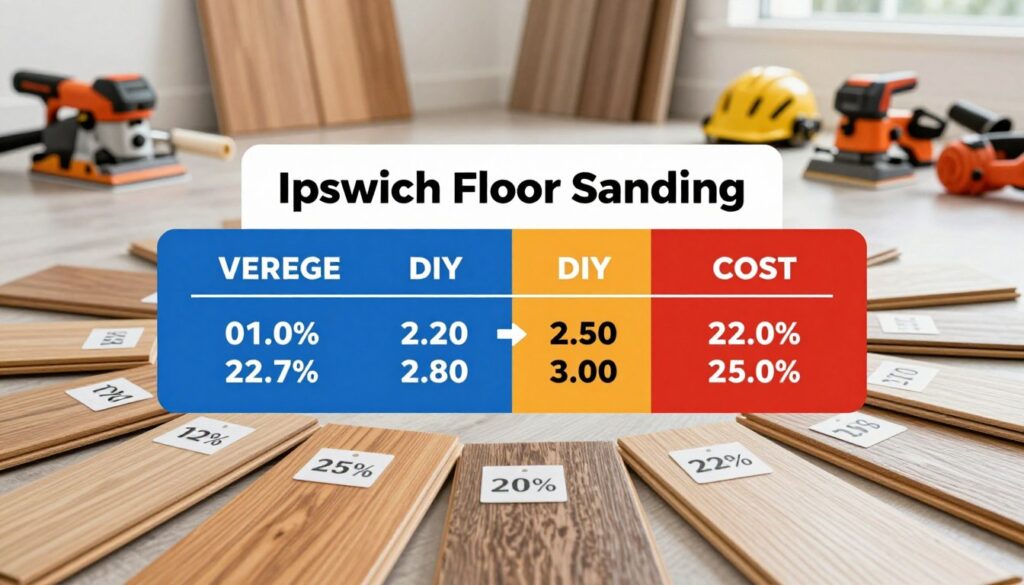
Finding the right floor sanding prices comparison can be tough for homeowners. It’s tempting to choose the cheapest option. But, knowing the market standards means you get a quality finish that lasts.
Before starting, think if you want to do it yourself or hire a pro. A DIY approach might be good for some, but pros are better for certain floors.
Factors Influencing Professional Quotes
Professionals look at many things to give you a floor sanding services cost. A floor refinishing cost estimator gives a rough idea, but a site visit is needed for a real quote. Here are the main things that affect the price:
- Total floor area: Bigger areas need more time, materials, and effort.
- Timber condition: Floors with deep damage or old glue need more work.
- Finish selection: Fancy finishes or natural oils cost more and are harder to apply.
- Accessibility: Stairs, tight spots, and moving furniture add to the work.
Why Cheap Quotes Can Be Costly
It’s easy to want the cheapest floor sanding company prices. But, low prices can mean shortcuts. A very cheap quote might mean the contractor is skipping important steps.
Going for the cheapest can lead to disappointing results that cost more to fix. A good professional uses the right tools and knows what they’re doing. Quality craftsmanship saves you money in the long run and makes your home look better for years.
The Physical Toll and Safety Considerations
Many homeowners don’t realize how hard it is to restore timber floors. What sounds like a simple weekend project is actually a lot of hard work. It can leave you feeling very tired.
It’s important to know the risks before you try to do it yourself. Handling heavy machinery can be dangerous.
Dust Management and Respiratory Health
Sanding creates a lot of fine dust. This dust is not just a problem; it can be harmful to your health. Household vacuums can’t handle the tiny particles in the air.
Professionals use industrial-grade extraction systems to catch most of the dust. This keeps the air clean and safe. If you’re doing it yourself, you need good masks and filters to avoid breathing in harmful dust.
Ergonomic Challenges of Manual Sanding
Using a floor sander is hard work. The machines are heavy, and moving them for hours strains your back, shoulders, and knees. Without the right technique, you could hurt yourself badly.
Professionals are trained to use their body weight and leverage to control the equipment. They move in a way that doesn’t get them tired and ensures a good finish. When you do it yourself, you often have to bend or kneel for a long time. This is hard for most people.
| Feature | DIY Approach | Professional Service |
|---|---|---|
| Dust Control | Basic filtration, high airborne dust | Advanced extraction, near-zero dust |
| Physical Effort | High strain on back and joints | Ergonomic, expert-led movement |
| Safety Equipment | Limited to basic masks | Full PPE and industrial systems |
| Injury Risk | Higher due to lack of training | Minimal due to professional standards |
Quality of Finish and Long-Term Durability
Investing in your home means the floor finish is key. A restored timber floor makes any room shine. It needs more than basic tools; it needs knowledge and skill.
Achieving a Professional Smoothness
Getting a smooth floor is more than just removing old varnish. It’s about making the surface feel velvety. Our experts use special sanding steps to smooth out the wood, avoiding any marks.
Without the right tools and experience, it’s hard to avoid mistakes. Professional sanding makes the floor even everywhere. This is key for a perfect finish.
“Quality is never an accident; it is always the result of high intention, sincere effort, intelligent direction and skillful execution.”
Longevity of Professional Coatings vs DIY Products
The floor’s life depends on the sealant quality. Store-bought products often can’t match the resilience and wear resistance of professional ones. These are made for heavy use and Australia’s climate.
Professional coatings offer a superior protective barrier. They protect against damage and fading. Choosing top-quality materials means your floors will stay beautiful for years. It also saves you from the hassle and cost of frequent re-sanding.
The Hidden Costs of DIY Floor Sanding Expenses
Many homeowners think they can save money by sanding their floors themselves. But, the real cost can be much higher than expected. It’s important to consider all costs before starting the project.
Hidden Fees in Equipment Rental
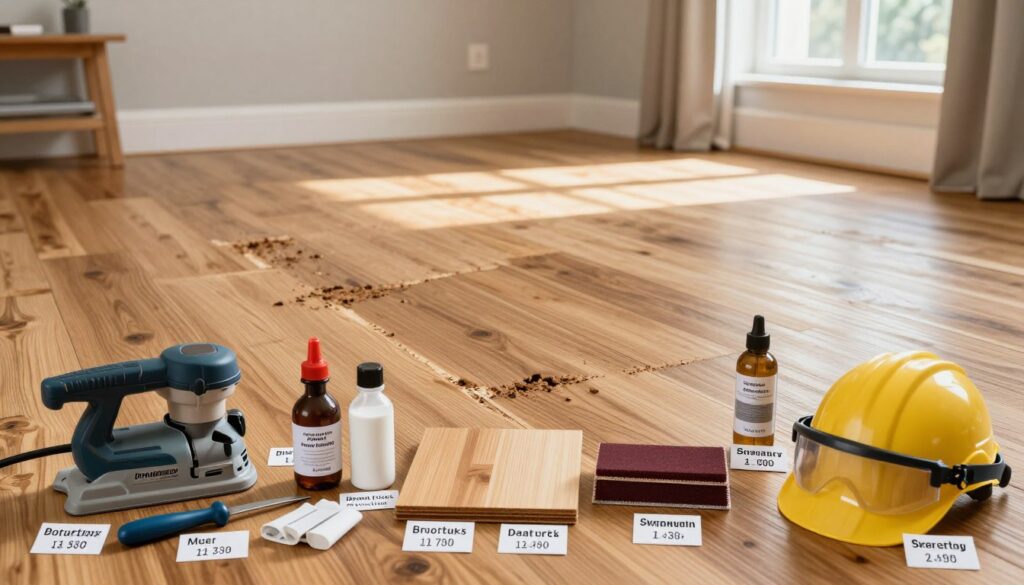
Renting heavy machinery isn’t just a simple daily fee. There are often hidden costs that can add up quickly. You might pay extra for late returns or a higher deposit if you don’t have the right insurance.
You also need to think about the cost of things like sandpaper belts and discs. These can be pricey, and you’ll need to replace them often. If you damage the machine, you could face big repair bills that are more than the rental cost.
The Cost of Wasted Materials and Trial-and-Error
Learning to sand floors yourself can be expensive. Without experience, you might make mistakes that cost extra to fix. For example, you could damage the wood and need more sanding and abrasive sheets.
Applying finish incorrectly can also be costly. If you mess up, you’ll have to sand it all off and start again. This doubles your material costs. Trial-and-error can be very expensive when you’re using high-quality stains and coatings. By the time you add up these extra costs, doing it yourself might cost as much as hiring a professional.
Expertise and Craftsmanship in Timber Flooring
Professional floor sanding is a skill that needs precision, patience, and deep knowledge of timber. It’s not just about running a machine over a surface. The real work is complex.
When you look at professional floor sanders rates, you’re paying for years of experience. This experience is what makes the difference in the quality of the work.
Identifying Timber Species and Sanding Requirements
Every timber type reacts differently to sanding. Hardwoods like Spotted Gum or Ironbark need a special approach. Softer timbers like Pine are different.
Our experts check the grain and moisture of your floor first. This step stops irreversible damage to your boards. We adjust the grit and machine pressure for the best finish.
This technical skill makes our work stand out. It’s what turns a basic job into a high-quality restoration.
Handling Complex Floor Layouts and Edges
Rooms are rarely simple squares. Most homes have complex layouts, like tight corners and floor vents. These areas need special tools and a steady hand for a smooth finish.
We’re proud of our skill in these tricky spots. We avoid unsightly marks or uneven patches. Getting a seamless finish near skirting boards and door frames shows our true craftsmanship.
When you pay fair professional floor sanders rates, you get meticulous care for every inch of your floor. It’s all about attention to detail.
When to Call in the Professionals
Knowing your limits is not a sign of failure; it’s a smart strategy for keeping your timber floors beautiful and valuable. While a weekend project sounds good, some jobs need a pro’s steady hand.
Recognising Your Limits as a Homeowner
Homeowners often start projects with excitement, but then find they need more skill. If you face any of these situations, it’s time to call in the experts:
- Working with historic or rare timber species that need special care.
- Dealing with big structural damage or deep scratches that need expert repair.
- Handling complex floor designs, like parquetry or detailed borders, that are hard to sand evenly.
- Dealing with ongoing moisture or humidity problems that could ruin the finish.
Contacting the Experts for a Guaranteed Result
Choosing a pro means your floors get the best care. Experts have years of hands-on experience and top-notch equipment. This mix of skill and tech ensures a lasting, smooth finish.
By hiring a pro, you skip the trial-and-error mistakes, saving time and money. You’ll also have peace of mind, knowing your floors are in good hands with industry standards and quality materials.
Call John on 0407 014 883
Ready to make your home stunning with expertly finished floors? We’re here to help. Don’t hesitate to get expert advice for your timber needs. Call John on 0407 014 883 today to talk about your project and get a perfect result.
Conclusion
Restoring your timber floors is a big step for your home’s character and value. While a DIY project might seem appealing, professional work often gives better results. Your floors need the care only skilled tradespeople can provide.
Start by comparing floor sanding prices. This helps you see the real value of quality equipment and skilled labour. Think of this as an investment in your home’s long-term beauty.
Our team recommends contacting local experts who know Australian timber well. They can give you a finish that lasts, unlike DIY risks. Talk to a trusted contractor today to make your floors shine.